

By Garan Jenkin, Wear OS Developer Relations Engineer
In the rapidly evolving ecosystem of wearable technology, the greatest challenge for developers is often not the quality of the application, but the visibility of it. For FotMob, one of the world’s most prominent football (soccer) data platforms, the hurdle was clear: they had a robust, feature-rich application for Wear OS, yet a significant portion of their mobile user base remained unaware that their favorite scores and statistical analysis tools could be accessed directly from their wrists.
The solution, which resulted in the largest single-day increase in Wear OS installations for the company in half a decade, was a masterclass in UX design and technical integration. By implementing a seamless cross-device discovery flow, FotMob managed to achieve install rates two to three times their daily average, proving that the bridge between phone and watch is often paved with simple, well-timed prompts.
The Main Facts: Closing the Discovery Gap
FotMob has long been a staple for football fans, offering real-time updates, match commentary, and deep statistical dives. However, like many multi-platform developers, the company faced a "discovery gap." While many of their active mobile users owned Wear OS-compatible smartwatches, they were failing to bridge the gap between their primary device and their wearable.
The "discovery gap" is a common industry phenomenon where users, despite being deeply engaged with a mobile app, remain oblivious to the existence of a companion wearable experience. FotMob’s strategy to address this was two-fold:
- Technical Detection: Using the Android Wearable library to identify which users had a connected, compatible watch that lacked the FotMob app.
- Contextual Education: Presenting a non-intrusive, visually appealing prompt within the phone app that educated users on the benefits of the Wear OS version.
By focusing on the "why" before the "how," FotMob turned a technical hurdle into a user-benefit opportunity.

Chronology of the Implementation
The success of FotMob’s initiative did not happen overnight; it was the result of a deliberate, phased approach to development and deployment.
Phase 1: Diagnostic and Logic Building
The team began by leveraging the NodeClient API. By querying nodeClient.connectedNodes.await(), they were able to ascertain whether a user had a watch paired with their phone. Once a connection was verified, the team needed to determine if the app was already installed. They defined a specific capability within their Wear OS package—CAPABILITY_WEAR_APP—which acted as a digital signature.
Using the CapabilityClient, the phone app would query for this signature. If the FILTER_REACHABLE nodes did not return the capability, the system identified a prime candidate for an install prompt.
Phase 2: Design and UX Integration
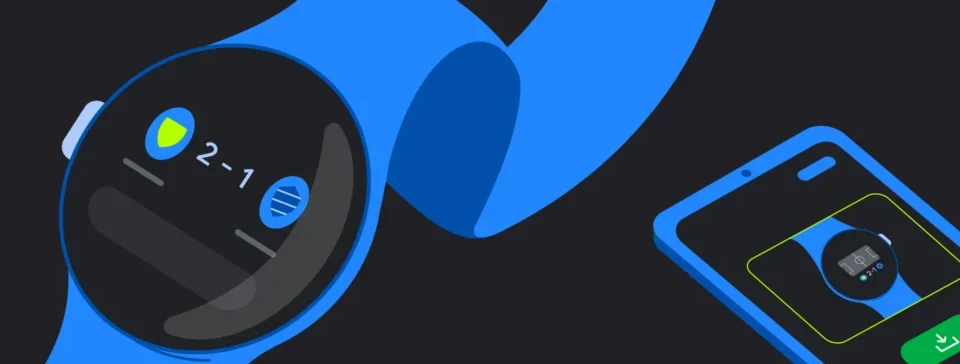
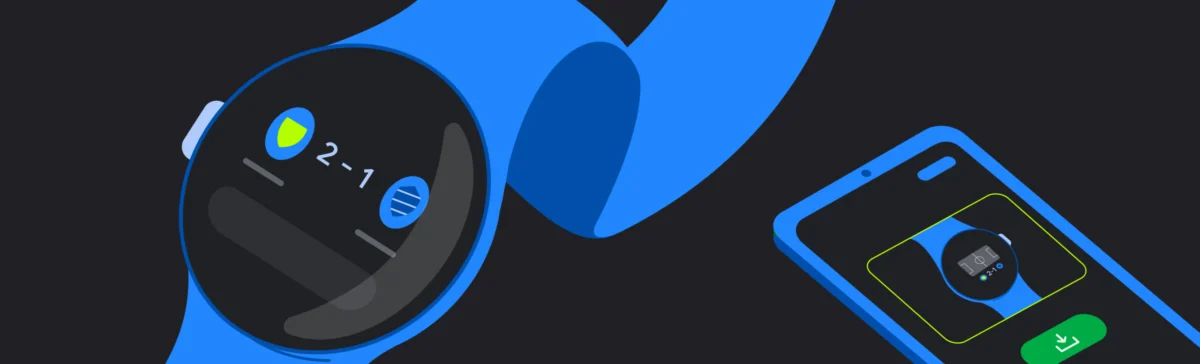
Recognizing that constant notifications can be perceived as "bloatware," the design team opted for a "half-page prompt." This design was critical; it provided a high-fidelity screenshot of the watch interface, showing users exactly what they were missing without taking over the entire screen. This allowed users to make an informed decision: proceed with the install or dismiss the prompt with a single tap.
Phase 3: Deployment and Triggering
Once the user opted to install, the app utilized the RemoteActivityHelper API. This API triggers the Play Store directly on the watch, bypassing the need for the user to manually search for the app on their small screen. The intent flow was streamlined to ensure the friction of installation was virtually non-existent.
Supporting Data: The Impact of Visibility
The results of this implementation were both immediate and statistically significant. Within 48 hours of reaching a 100% rollout, the FotMob watch app saw over 1,500 new installations.

To put this into perspective, the growth was 2-3 times higher than the company’s typical daily average. This surge represented the highest single-day spike in installations for the wearable version of the app in five years. Over the first ten days, the growth trajectory remained elevated, confirming that the issue was never a lack of interest in the product, but a fundamental lack of awareness. The data highlights a critical takeaway for the developer community: users are often willing to adopt new form factors if the path to discovery is made frictionless and intuitive.
Official Responses and Perspectives
Roy, a lead developer on the FotMob team, noted that the technical barriers to entry were surprisingly low. "The Wearable APIs made the implementation straightforward," Roy stated. "Being able to detect connected devices and query capabilities meant we could quickly determine whether the watch app was already installed. From there, it was mostly about designing a prompt that felt helpful to users rather than intrusive."
This sentiment is echoed by Google’s own developer relations team. The success of the FotMob integration serves as a blueprint for other developers. By prioritizing the user journey—ensuring that settings and favorite teams are synced across devices—FotMob proved that the watch is not just an accessory to the phone, but an extension of the core platform experience.
Implications for the Wear OS Ecosystem
The success of this cross-device discovery flow has significant implications for the broader Android and Wear OS ecosystem.
1. The Death of Manual Discovery
The days of relying on users to manually search for apps on the Play Store are coming to an end. As screen sizes and device capabilities become more diverse, "proactive discovery"—where the phone app acts as the gatekeeper and promoter of the wearable experience—will become the industry standard.
2. Standardization via New Libraries
Recognizing the success of custom implementations like FotMob’s, Google has launched the In-App Install Prompts library. This library codifies the logic used by the FotMob team into a reusable framework. Developers no longer need to build complex node-querying logic from scratch. By using CrossDevicePromptManagerFactory, developers can now initiate similar installation flows with significantly less boilerplate code.
.png)
3. A Shift in Developer Focus
This shift suggests that developers should stop viewing their mobile and wearable apps as siloed projects. Instead, they should be treated as a single, cohesive ecosystem. Features like syncing preferences (e.g., favorite football teams) are now the baseline expectation for users. If a user spends time customizing their mobile experience, they expect that work to carry over to their wrist.
Future Directions: Scaling the Journey
As we look toward the future, the integration of these cross-device journeys will only become more sophisticated. The goal is to create a seamless environment where the user’s choice of hardware is secondary to the quality of the software experience.
For developers looking to replicate FotMob’s success, the path is clear:
- Audit your current cross-device parity: Are you making it obvious to your users that you offer a wearable experience?
- Implement smart detection: Use the DataLayer samples to check for device capabilities without being intrusive.
- Adopt the new libraries: Transition away from manual API calls to the modern In-App Install Prompts library to ensure stability and reduce maintenance overhead.
The FotMob case study serves as a potent reminder that the most sophisticated technical solutions are often those that solve the simplest human problems. By helping users understand the value of their wearable, FotMob didn’t just increase their install count; they deepened their user engagement, ensuring that when the next big match kicks off, their users are never more than a glance away from the action.
As the ecosystem continues to grow, developers who embrace this "connected mindset" will be the ones who define the future of the wrist-worn experience. Whether you are building for sports, fitness, or productivity, the tools for success are already in your hands—or rather, in your code. Start building your own cross-device journey today and see where your users can take you.
